Bitcoin mining reached a new reality in 2025. After the last halving, the hurdles for miners worldwide are higher than ever. Electricity prices and efficiency now determine victory or defeat – and Europe is particularly in focus.
Mining under Pressure
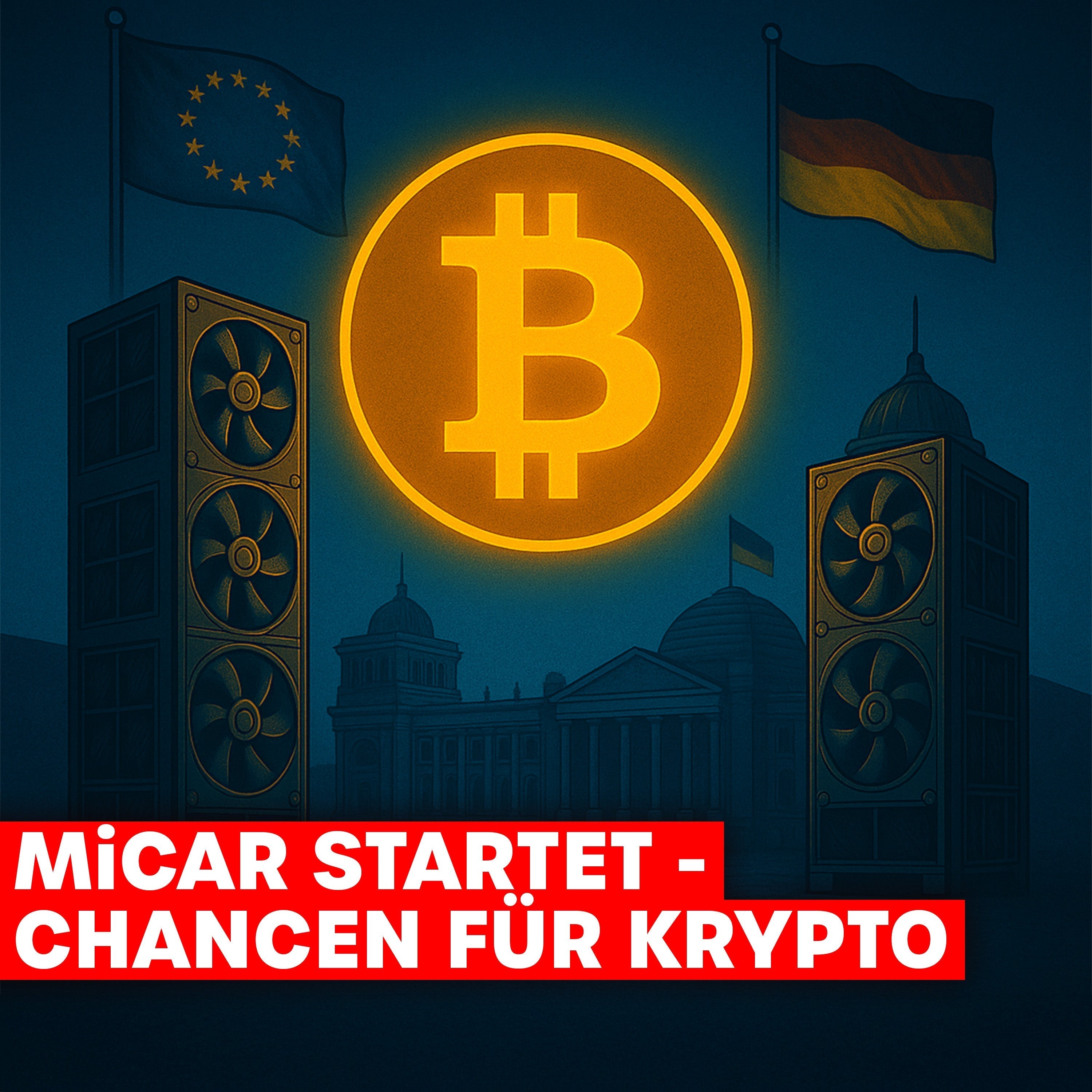
The math is simple: the fewer new bitcoins are generated per block, the harder it hits miners with high energy costs. In Germany and many parts of Europe, this means: mining is barely profitable anymore. High electricity prices, coupled with increasing regulatory requirements through the EU regulation MiCAR, make the operation of large mining farms almost impossible here.
But while Europe is exiting, new hotspots are emerging elsewhere. Oman, the United Arab Emirates, and parts of South America are attracting mining companies – with cheap energy prices, political openness, and in many cases, the use of renewable energies.
The result: a global shift in hash rate, geographically rebalancing the Bitcoin network.
Industry Consolidation
The mining industry is simultaneously experiencing a wave of consolidation. Only operators with state-of-the-art hardware, cheap capital, and access to inexpensive energy can remain profitable. Small miners are disappearing – or joining pools to have opportunities together.
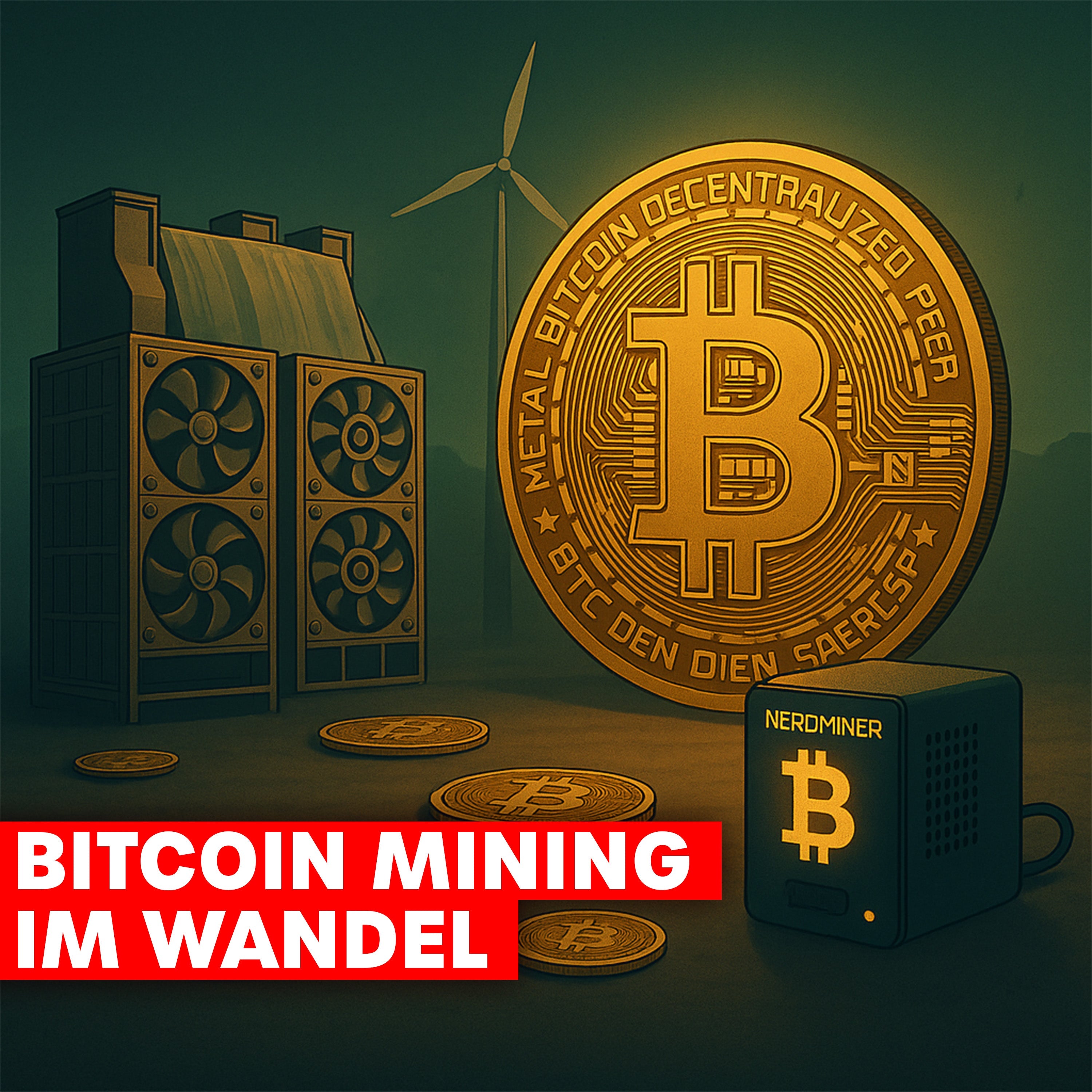
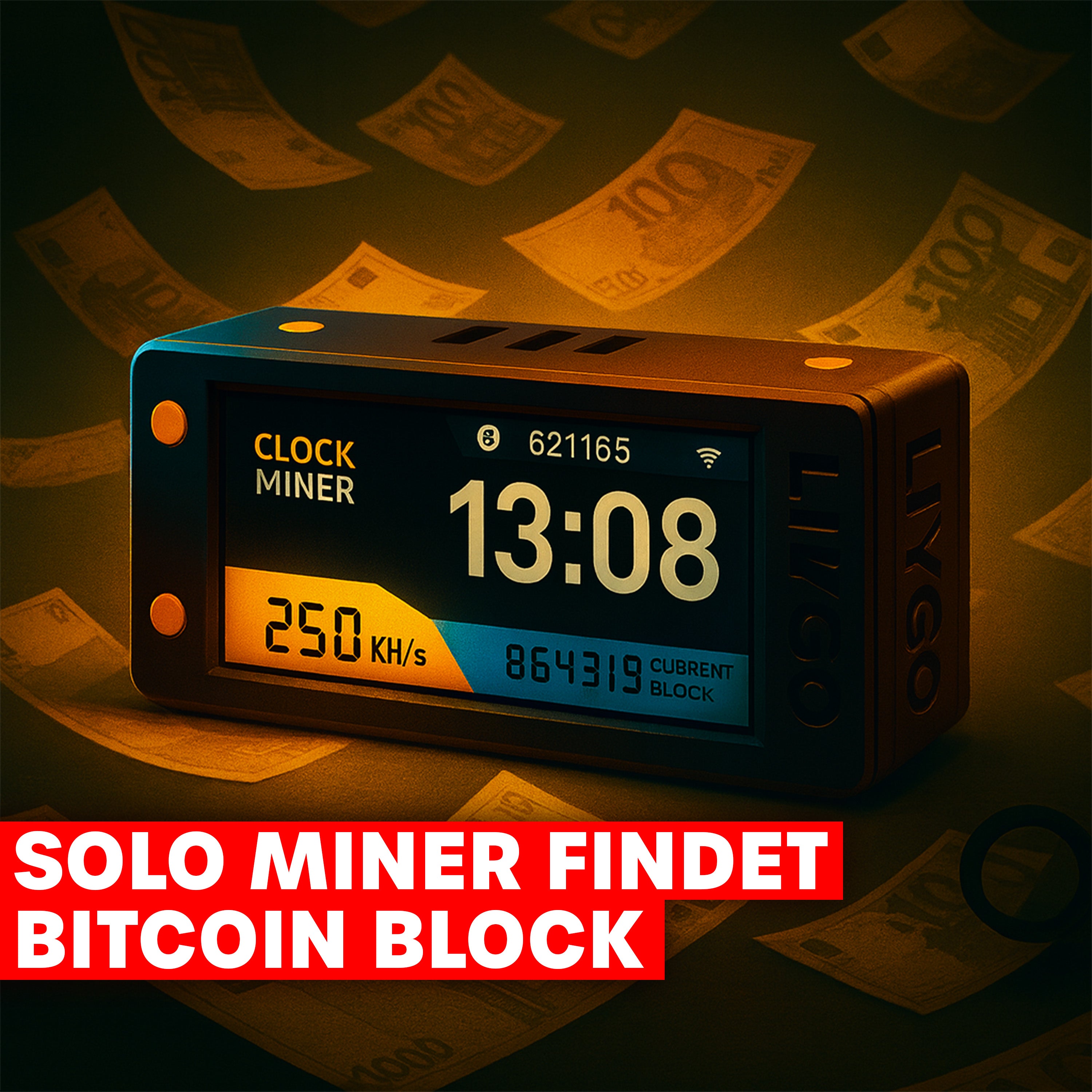
This may seem like centralization, but it also demonstrates the network's strength: even a single Nerdminer can theoretically find the decisive block. This very decentralization fundamentally distinguishes Bitcoin from traditional financial systems.
Proof-of-Work Reimagined
It's exciting that technological innovations are being discussed in parallel with economic developments. One research approach called ScaloWork aims to extend Proof-of-Work from pure hash calculations to useful tasks – such as solving complex graph problems (arxiv.org).
This would mean: mining that not only provides security but also practical added value for science and society. It's still a pipe dream, but it shows that the idea behind mining continues to live and evolve.
Sustainability and Regulation
Europe has already led the way with the MiCAR regulation and also wants to create clear rules for mining. Topics such as energy consumption and transparency are coming to the forefront. Critics speak of Bitcoin as an energy guzzler – proponents refer to the opportunity to better utilize renewable energies and even use them as a storage solution.
The BaFin also sent a strong signal in 2025: With the approval of BitGo for regulated crypto trading, Germany shows that serious providers are welcome, while shady projects have little chance. In parallel, the Sparkassen-Finanzgruppe is preparing its own crypto trading for 2026 (Handelsblatt) - a step that finally brings Bitcoin into the mainstream.
Hands-on Bitcoin
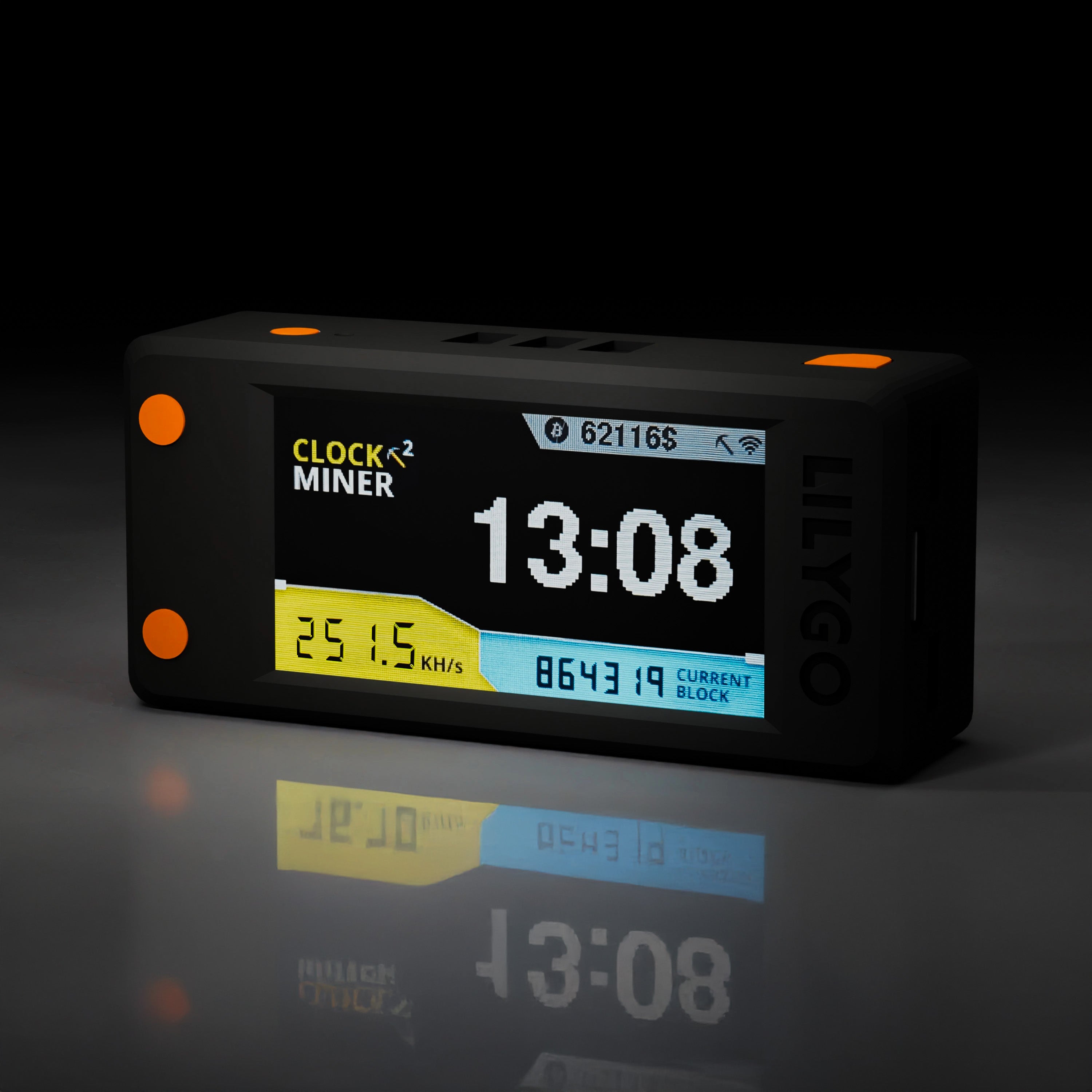
For many, these developments sound abstract. But Bitcoin mining can also be experienced on a small scale. With a Nerdminer, anyone can understand how the heart of the network works. Energy-efficient, quiet, and without expensive infrastructure – perfect not only for buying Bitcoin, but for truly understanding it.
While large companies fight over locations and profitability, the Nerdminer brings the fascination of Proof-of-Work directly into your living room.
Conclusion
Bitcoin mining in 2025 has become more complex, harder, and more global. Europe is losing ground, new regions are gaining importance, and the industry is looking for innovations between efficiency, sustainability, and regulation.
But beyond industrial policy and energy costs, a simple truth remains: Bitcoin thrives through its mining. And for those who want to understand this process on a small scale, the Nerdminer offers the opportunity to become part of the network themselves.
👉 Start your own mining adventure now and order the Nerdminer from BitMiner24 – your entry into the world of Bitcoin Proof-of-Work.


Share: