
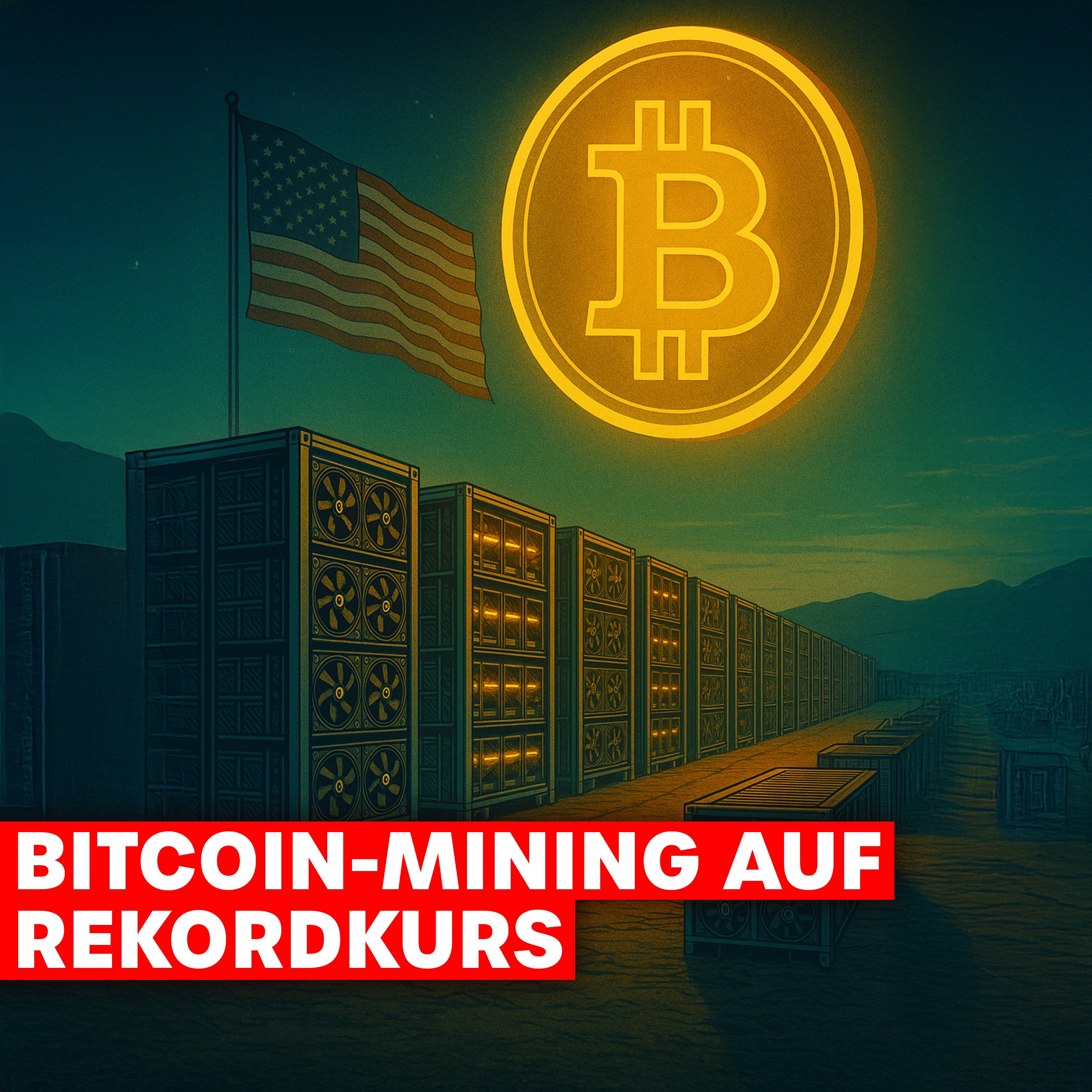
Bitcoin mining is experiencing a new dimension in the summer of 2025. The publicly traded mining giant Hut 8 announced plans to build four new sites in the USA. With an additional 1.53 gigawatts of capacity, the company is moving into a league previously reserved only for the very biggest players.
The sites will be built in Louisiana, Texas, and Illinois and are expected to bring Hut 8's total managed capacity to over 2.5 gigawatts – more than a doubling. Texas, in particular, is coming into focus with a 1,000-megawatt project under the ERCOT power grid. The state has already developed into a hotspot for mining farms in recent years due to a combination of favorable electricity prices, flexible grid load management, and political support.
Mining Competition at Record Levels
Hut 8's expansion comes at a time when the mining network is already running at full throttle. In July and August, the Bitcoin hashrate reached a new all-time high. The difficulty, meaning the difficulty of finding new blocks, also climbed to a record value of around 129 quadrillion.
These figures illustrate how strong the competition in mining has become. Nevertheless, the pressure is no reason to retreat – on the contrary. Large companies like Hut 8 are focusing on scalability to reduce their operating costs per terahash and maintain the upper hand in a tough market environment.
Profitability at its highest since the halving
In parallel, an unexpectedly positive environment is providing tailwind. According to calculations by JPMorgan, miners earned an average of 57,400 US dollars per exahash per day in July – the highest value since the halving in spring.
Although these revenues are still significantly below the peak values before the halving, they show that mining is currently profitable again. Lower electricity prices in the USA and stable demand for Bitcoin transactions support the earnings. For Hut 8 and other miners, this means: investments in new sites are worthwhile.
Global Shifts in Mining
Hut 8's expansion plans fit into a larger trend. The USA has developed into the leading mining nation, while regions like Europe are increasingly falling behind. Reasons include high energy prices and stricter environmental regulations.
In the Middle East, however, states are relying on their energy reserves: countries like Oman are using surplus natural gas to operate mining and diversify their revenue sources. The goal is to build a noticeable share of the global hashrate in the medium term.
ESG criteria (Environmental, Social, Governance) are also becoming increasingly important for the industry. Large miners are publishing sustainability reports to convince investors and regulatory authorities. Anti-money laundering rules and tax frameworks are also gaining importance.
Experience Mining Yourself
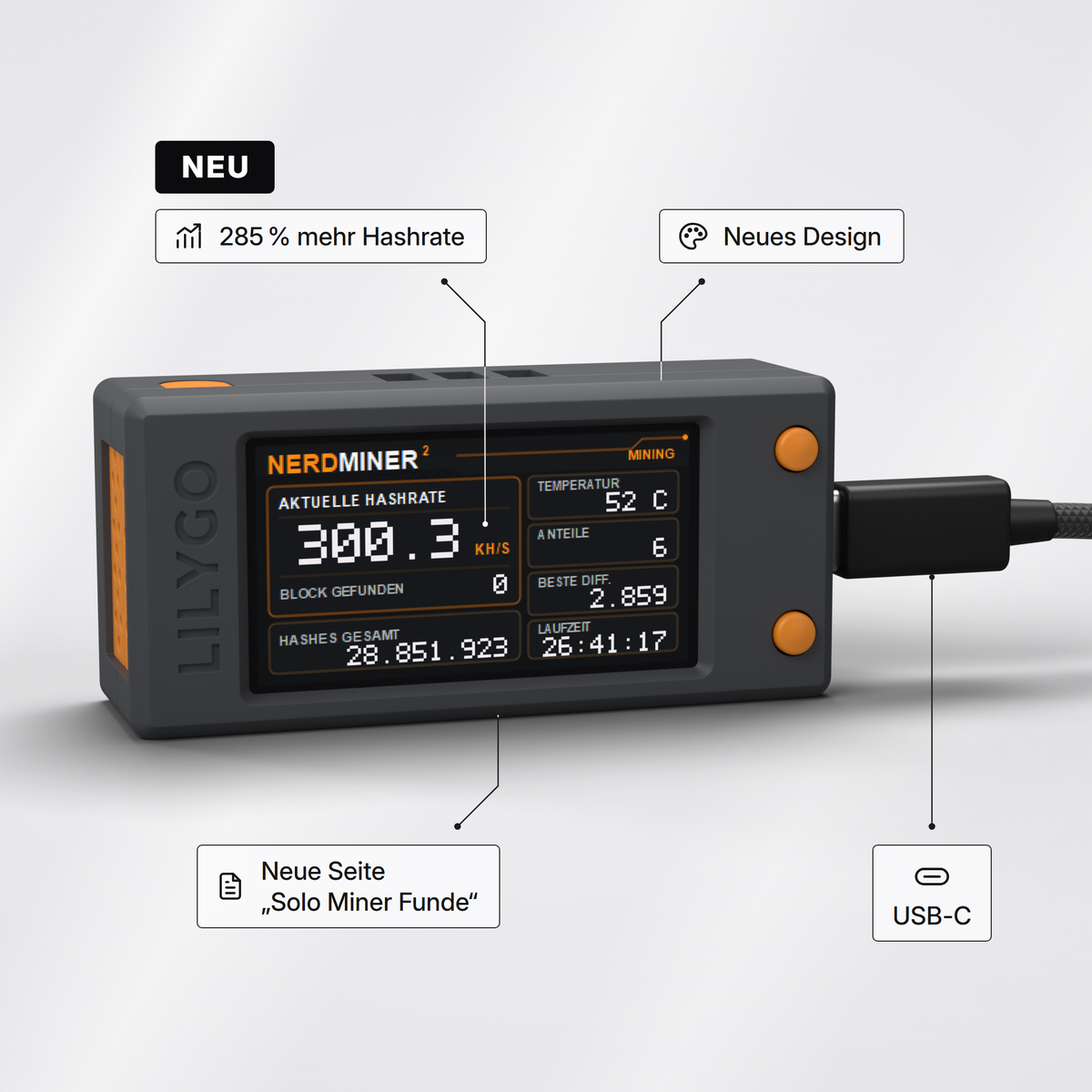
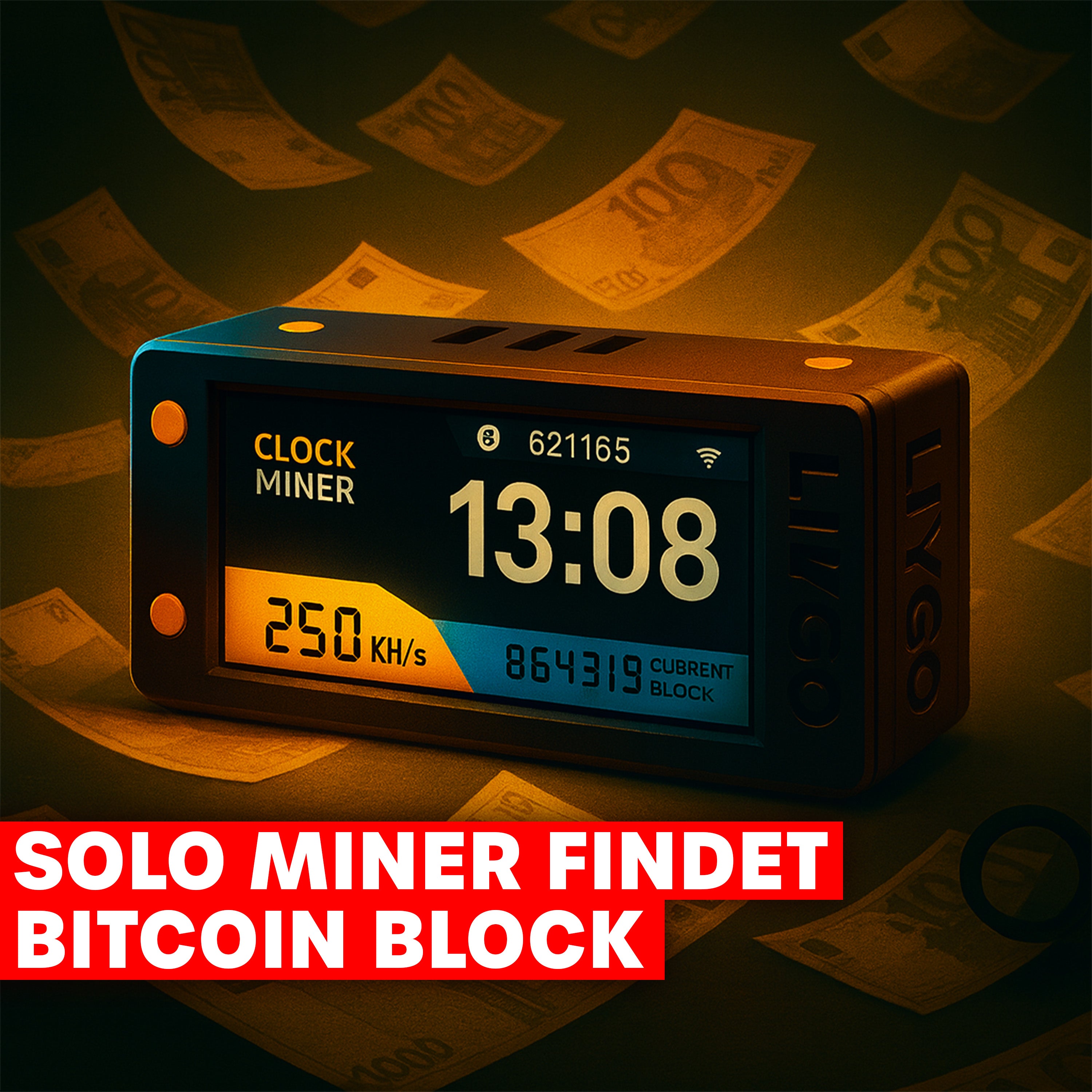
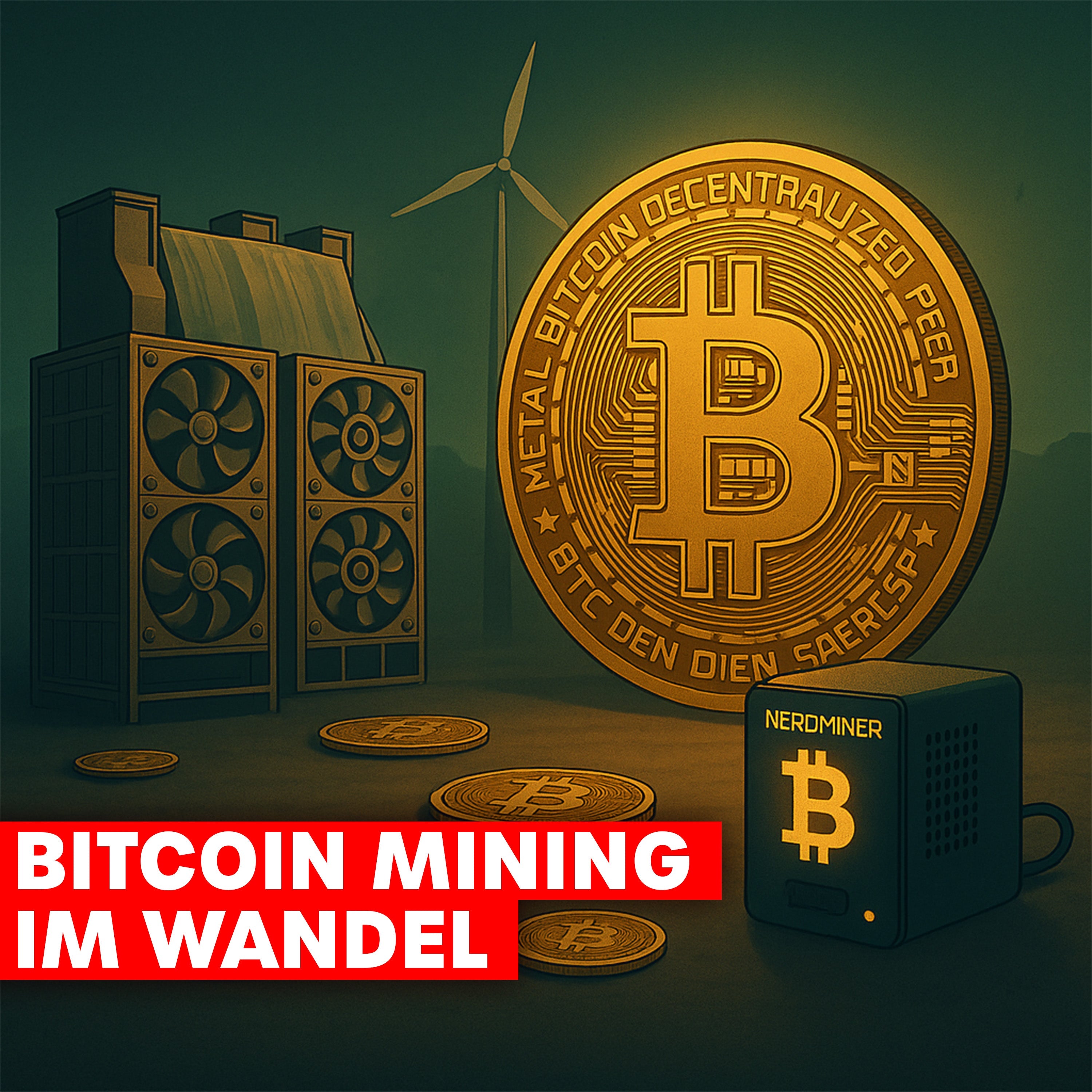
If you want to not only follow the topic of mining but also try it out yourself, you don't have to invest millions in huge systems. With a Nerdminer, you can playfully experience how Bitcoin mining works at home.
The small devices are inexpensive, consume little electricity, and make mining tangible – perfect for beginners and tech enthusiasts. This way, you understand how hashrate, difficulty, and mining rewards are interconnected in practice.
👉Try Bitcoin mining yourself – buy a Nerdminer now
Conclusion: Mining on a New Scale
Hut 8's expansion shows that mining entered a new phase in 2025. Gigawatt-scale capacities, record hashrate and difficulty levels, and rising profitability make it clear: Bitcoin mining has long been a global big business.
However, the dynamic also shows that to survive, you need size, efficiency, and access to cheap energy. Hut 8's US projects are a clear signal of where the industry is heading – towards industrial-scale operations that are intended to permanently secure Bitcoin as a global network.



Teilen: