
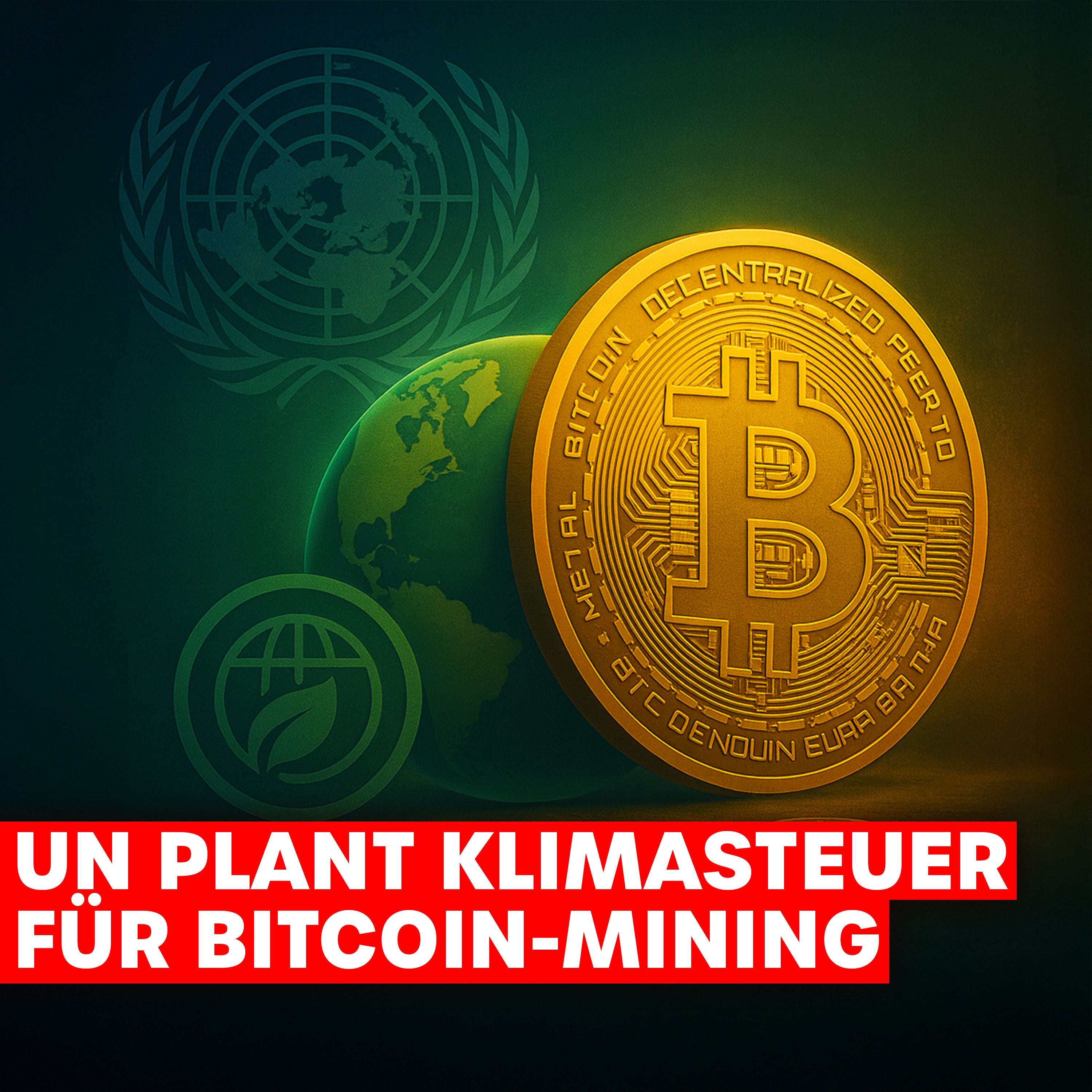
The United Nations is causing a stir with a new proposal: a global "climate tax" on crypto mining. The aim is to curb the high emissions of energy-intensive blockchains like Bitcoin. But what would such a levy mean for miners in Europe – and could it sustainably change the industry?
The Proposal at a Glance
The idea: A levy of 0.045 US dollars should be imposed on every kilowatt-hour consumed for mining. According to calculations, this tax could generate over 5.2 billion dollars annually. The money is to flow into international climate funds to finance the energy transition.
Large mining farms in countries with high energy consumption would naturally be particularly affected. But smaller miners would also have to expect rising costs – depending on whether the tax is implemented internationally or only in certain regions.
Opportunities and Risks for Miners
For the mining industry, this proposal sends a dual signal:
-
Higher Costs: Energy-intensive setups could quickly become unprofitable.
-
Advantages for Efficiency: Those who use modern, energy-saving hardware have a clear competitive advantage.
-
Regulatory Certainty: Should the tax come into effect, there would be uniform rules worldwide – and that could even be positive for investors in the long term.
Europe in Focus
In Europe, the topic is being followed particularly closely. Due to the already strict energy and climate regulations, the UN tax could become a reality here more quickly. At the same time, with its growing use of renewable energies, Europe also offers opportunities: Miners who rely on solar, wind, or nuclear power could set themselves apart from fossil competitors.
What does this mean for private miners?
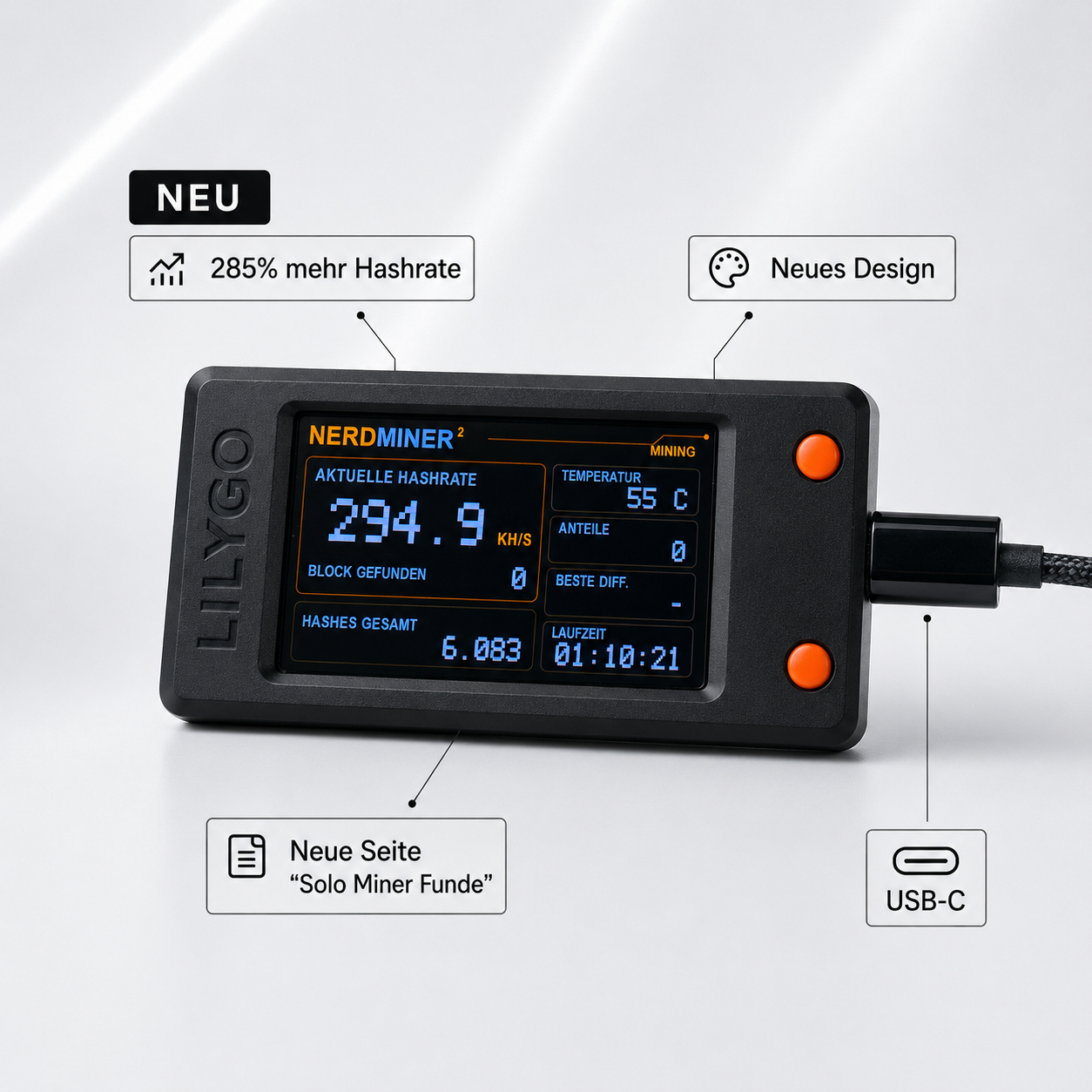
For hobby miners or beginners who are gaining their first experience with a small Nerdminer, for example, the risk is low. The power consumption of these devices is minimal, so any additional costs would hardly be significant. What's more exciting is that efficient hardware becomes even more attractive due to such regulations.
Anyone entering mining today should therefore primarily focus on efficiency and low power consumption – a strategy that would be doubly rewarded in the event of a global tax.
Conclusion
The UN climate tax could significantly change the mining landscape. While energy-hungry large farms come under pressure, new opportunities open up for efficient and decentralized setups. For private miners, this means: Power-saving hardware like the Nerdminer becomes even more relevant – not only for one's own wallet, but also for the environment.
👉 Interested in getting into mining yourself?
Then check out the Nerdminer V2 here in the shop and secure your own piece of Bitcoin history.





Share: