
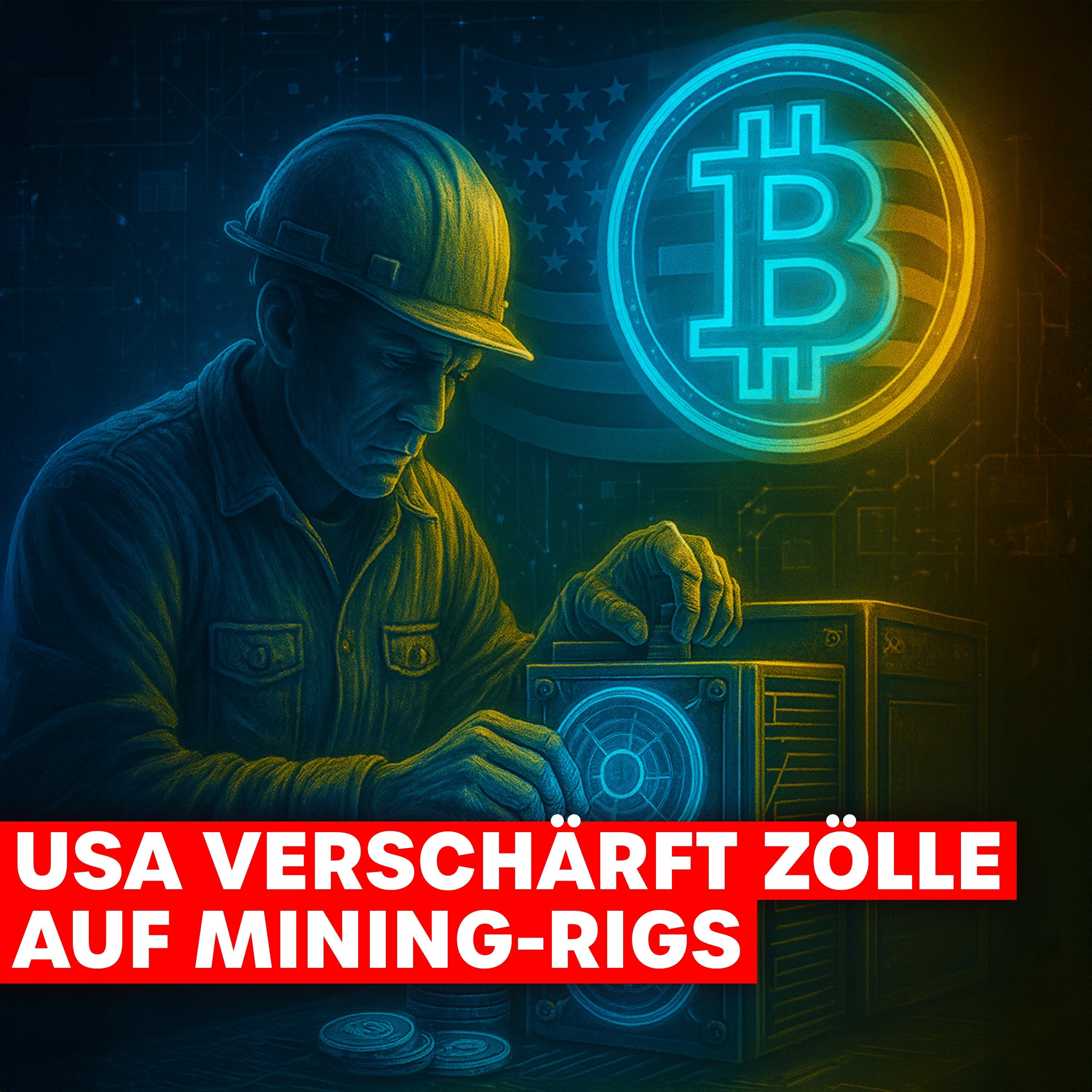
Geopolitical tensions between the US and Asia are increasingly impacting the Bitcoin sector. A particular focus is on the massive tariffs on mining hardware, which could become a significant cost and legal risk for US companies.
While demand for high-performance mining rigs continues to rise, the United States has significantly increased its import duties on equipment from China and Southeast Asia. Market observers speak of an effective burden of over 50 percent on Chinese hardware and significantly double-digit surcharges for deliveries from countries like Malaysia or Indonesia.
Why the Tariffs Are a Problem for US Miners
For publicly traded mining companies in North America, this presents a dual challenge: on the one hand, margins and cash flow come under pressure as the acquisition costs for new machines rise massively. On the other hand, disputes with US customs authorities threaten if the country of origin of certain components cannot be clearly proven. The industry is already talking about hundreds of millions of dollars in potential back demands that could be levied against individual players.
Chinese Manufacturers Respond
The three dominant producers of mining rigs – Bitmain, Canaan, and MicroBT – still control more than 90 percent of the global market, according to estimates. To counter the tightened import regulations, they have begun to establish their own production facilities in the US. The goal is to reduce reliance on exports from China and partially circumvent tariff barriers.
Canaan, in particular, is pursuing an aggressive expansion strategy: the company relocated its headquarters to Singapore and is currently testing its own production line in the United States. More details can be found, for example, in the current Reuters report on Chinese mining giants in the US.
Impact on the Market
For US miners, this development means rising costs in the short term – and a potential reorientation of supply chains in the long term. While companies like Marathon Digital, Riot Platforms, and CleanSpark have been able to increase their production figures in recent months, profitability remains under pressure. The so-called hashprice, i.e., revenue per unit of computing power, remains at historically low levels.
Recent market analyses also show how heavily the tariffs are burdening the industry: Should the trend continue, the US mining industry could develop competitive disadvantages compared to locations in regions without tariff burdens. Detailed data on this is provided by The Miner Mag in its research update.
Strategic Dimension
Behind the headlines about tariffs and duties, there is also a geopolitical element. Bitcoin is increasingly considered part of critical infrastructure in the US – at the same time, the overwhelming majority of hardware still comes from China. Economists therefore warn of a "choke point" if the supply of new rigs falters or is politically restricted.
From Global Mining to Nerdminer at Home
The broad strokes are clear: rising costs, tough regulation, a global power struggle over supply chains. But precisely because industrial Bitcoin mining is becoming increasingly complex and capital-intensive, interest in decentralized, small-scale mining solutions is growing.
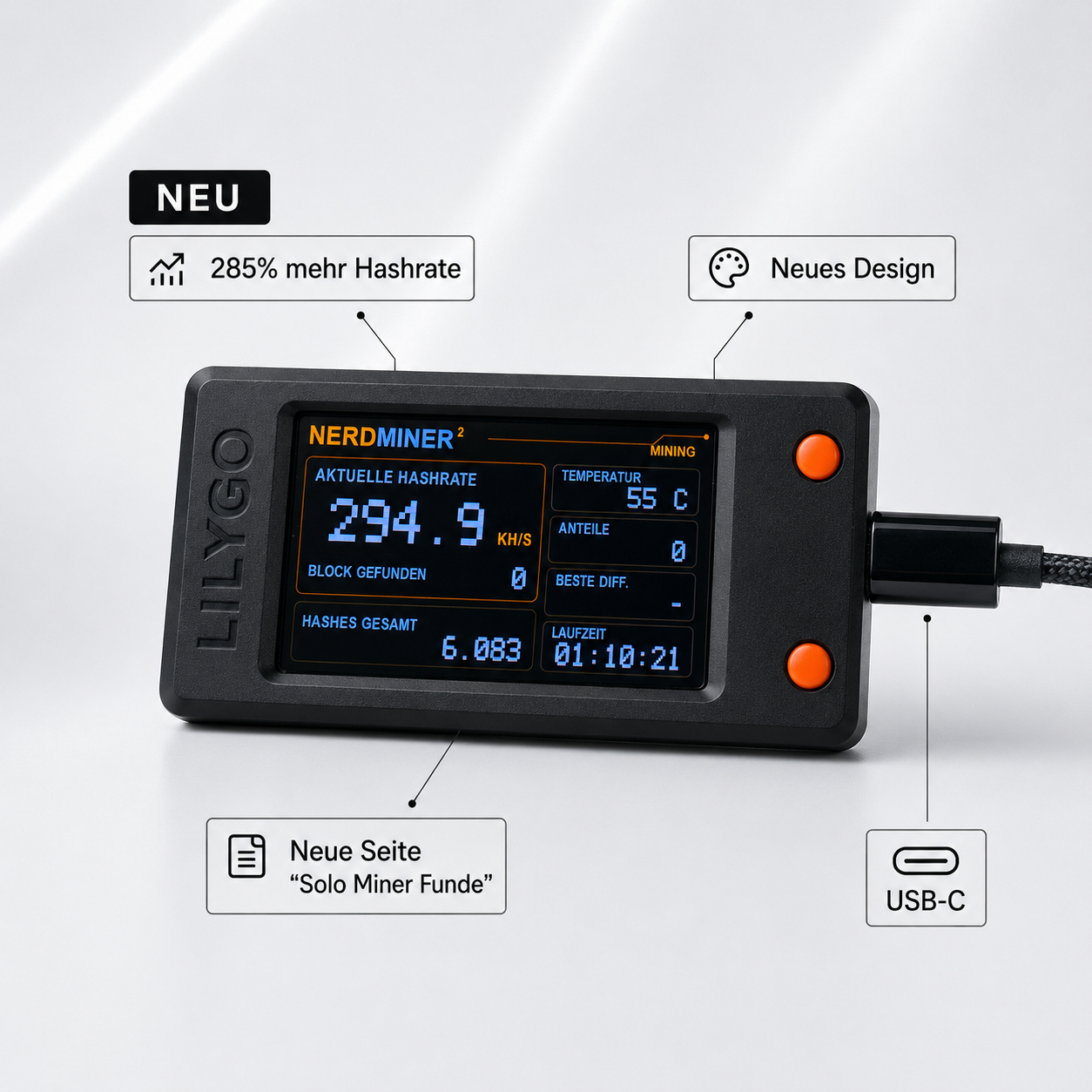
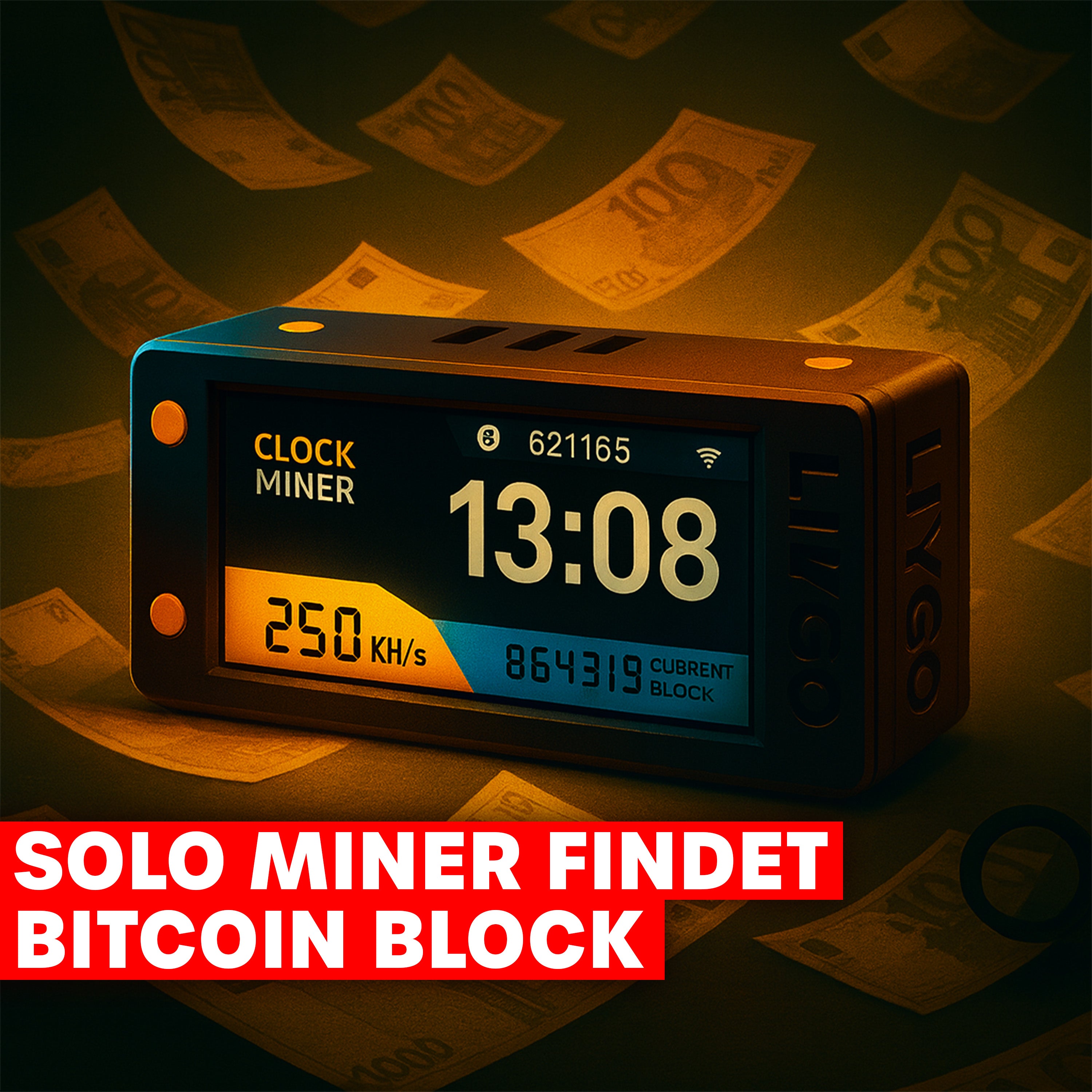
This is exactly where the Nerdminer comes in – a compact device that allows anyone to become part of the network themselves. Without millions in investments, without customs risks, and with the charming possibility of experiencing the blockchain on a small scale. The USP: Plug & Play, no prior knowledge required, no risk, but a real mining feeling.
So, if you don't want to wait for the next tariff decision from Washington, but want to get a foot into the mining world today, the Nerdminer is the perfect entry-level solution.




Share: